
EN
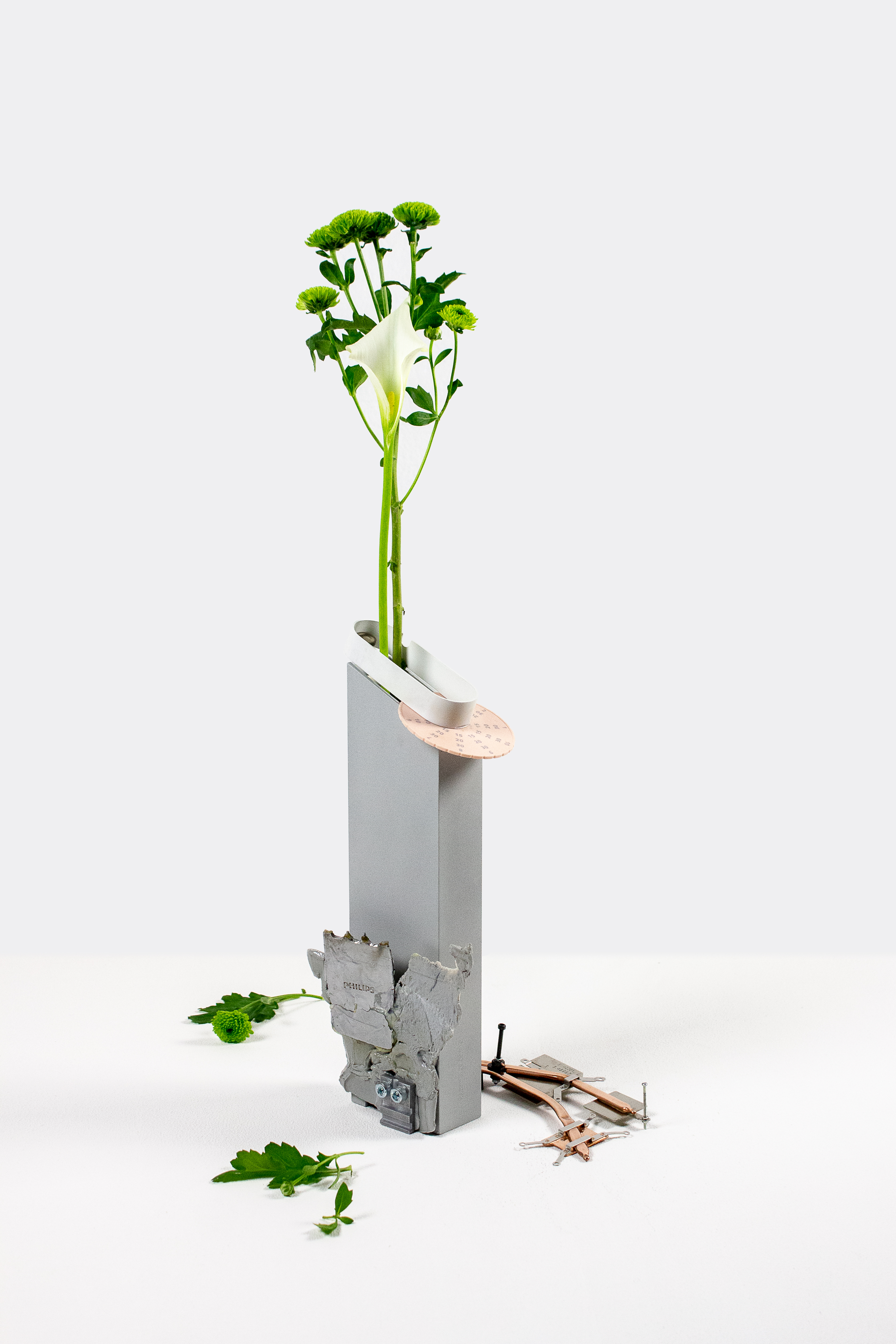
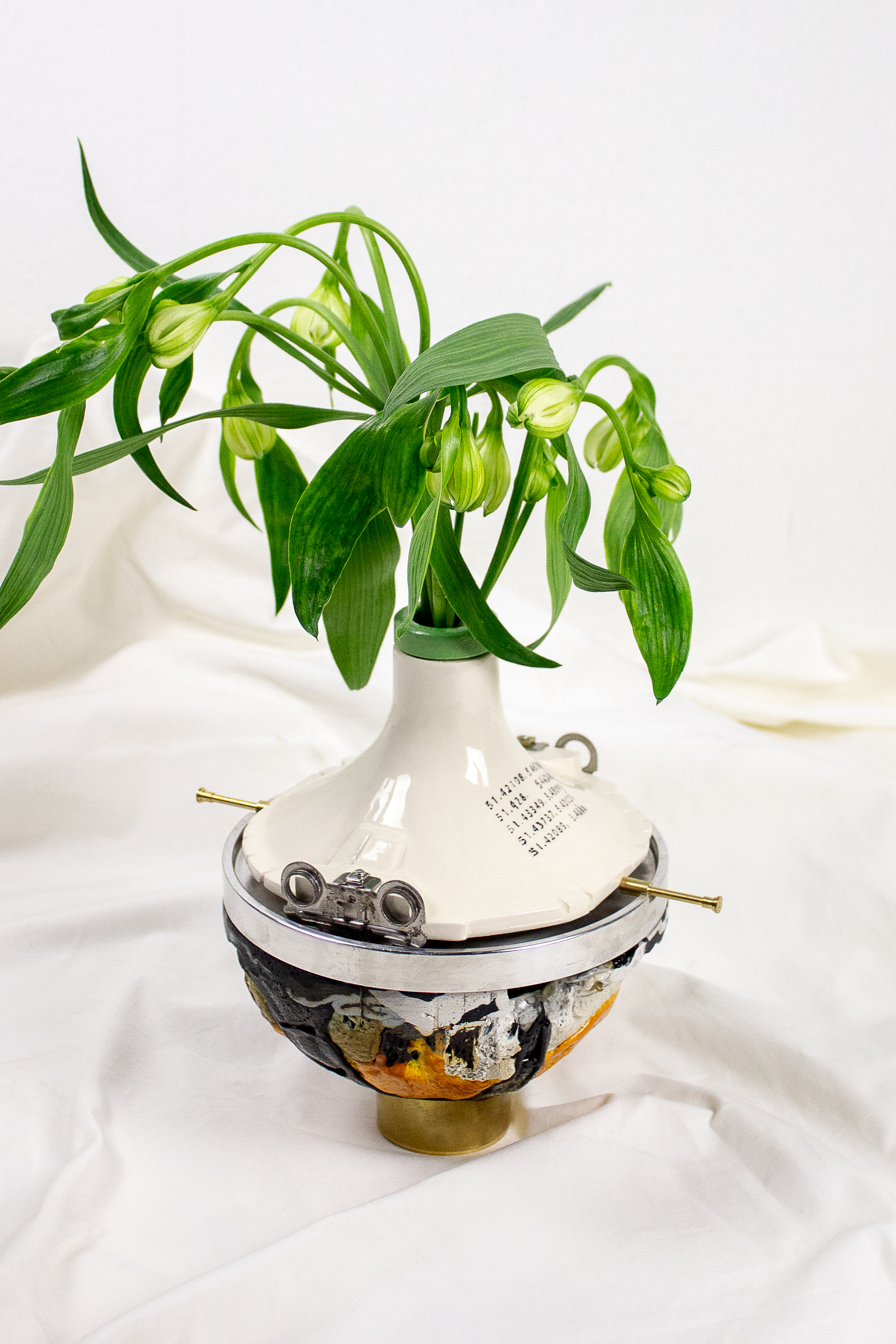
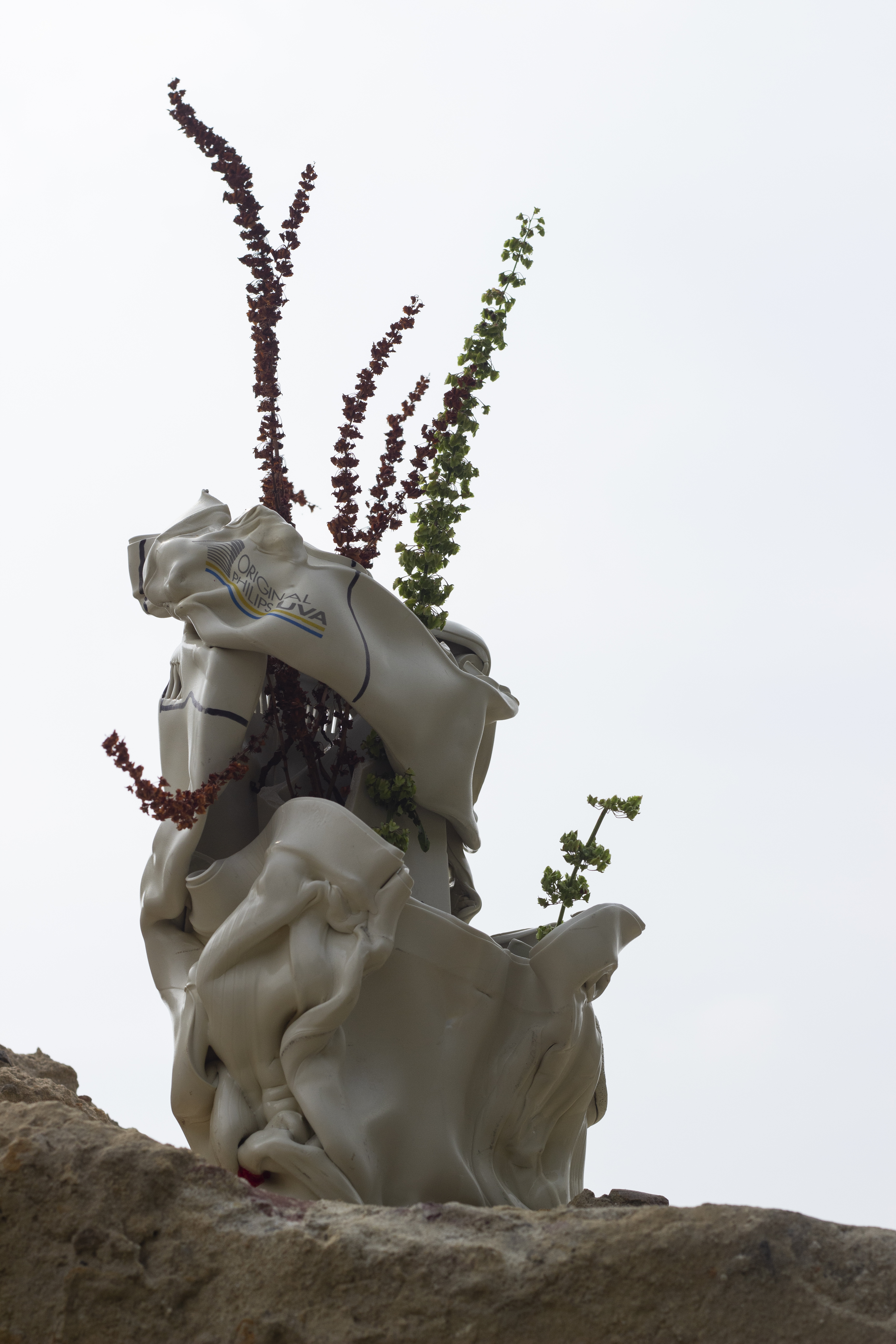
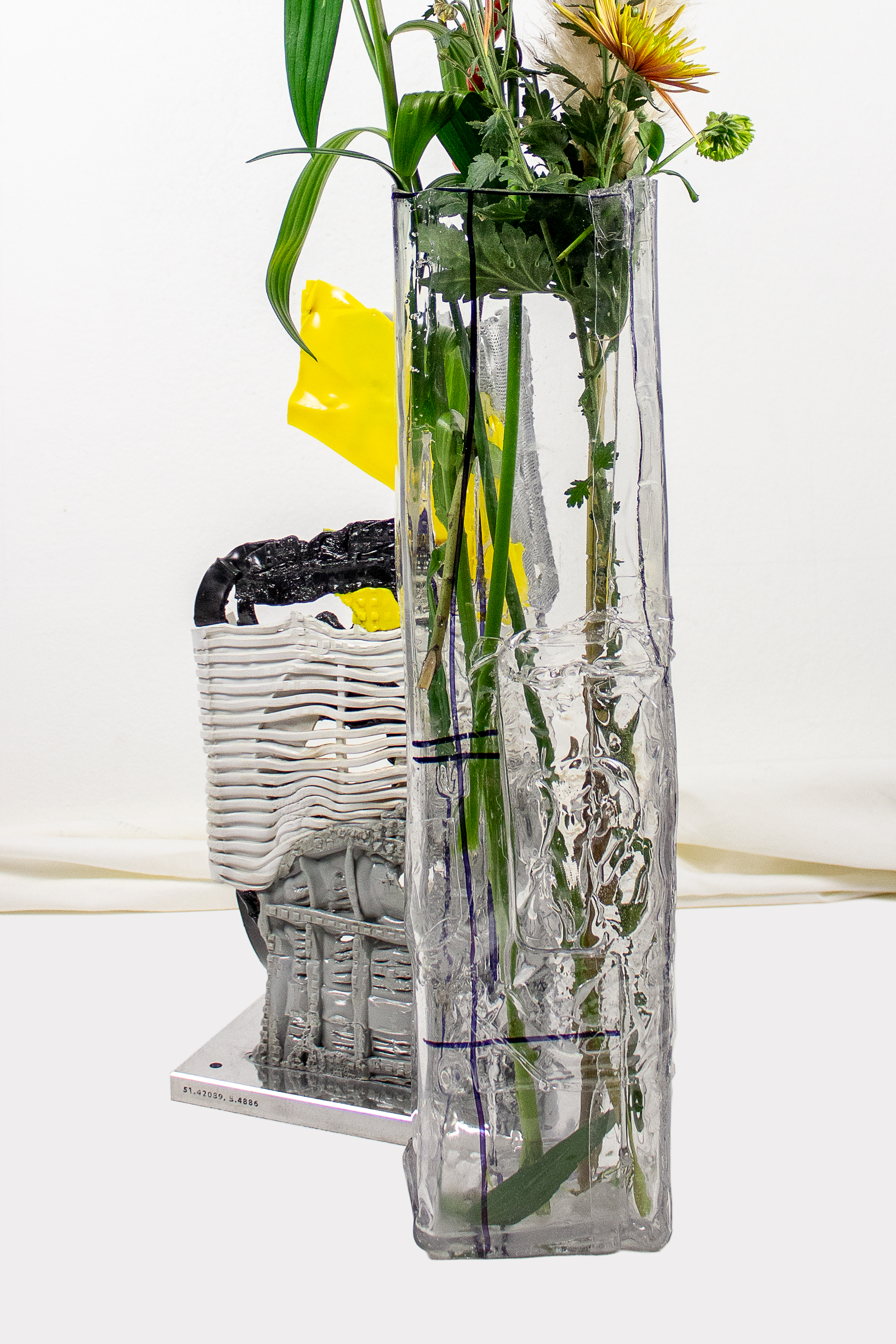
Biota is a series of vases made from discarded objects collected within a three-kilometre radius of the studio. The concept of locality is pushed to its limit: only what can be gathered from the ground is a legitimate starting point for making.
Created in 2019, the first Biota series predated the COVID-19 pandemic by a year. Its radically local methodology would soon resonate with a world forced into lockdown.
The term biota refers to the collection of living matter found within a specific place and geological period. In much the same way, the Biota vases paint the portrait of a city and its inhabitants between January and June 2019.
The project argues for an informal economy, exploring a hybrid form of production that exists between pragmatism and speculation, reproducibility and singularity. Objects once abandoned are reclaimed as raw materials in their own right.
In contemporary soils, organic and industrial waste increasingly coexist. Biota chooses to work with this condition rather than against it, bringing together those that would otherwise never meet.
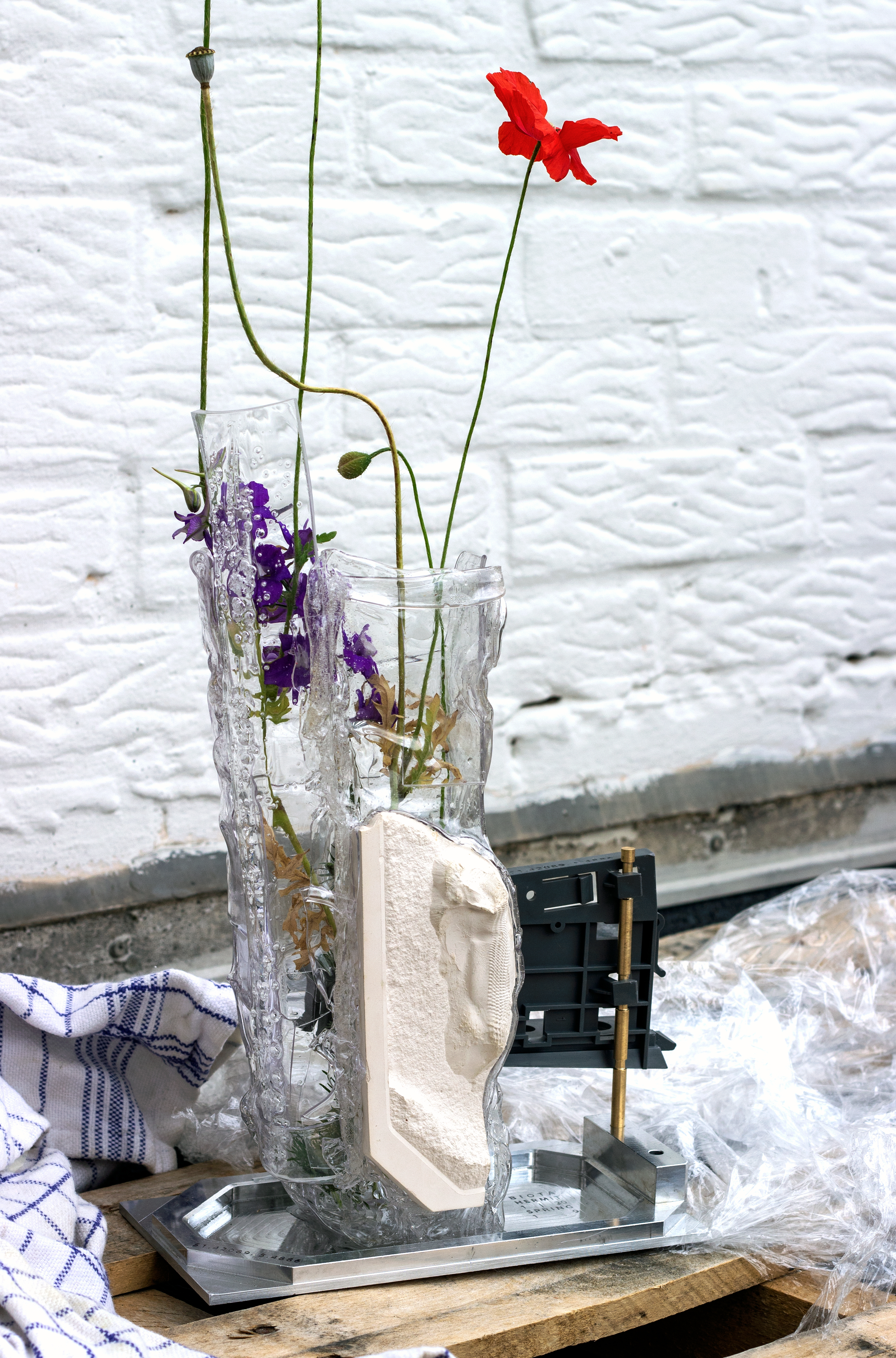
Thermoformed plastic shells provide the formwork for raw clay. Once fired, it becomes a watertight vessel nested within a structure of eroded steel. Former functions and forms are isolated and dismantled. The fragments are recomposed like a three-dimensional puzzle, yet they are never permanently fixed together. This constant search for symbiosis allows new uses and relationships.
Biota was first unveiled during the Dutch Design Week in 2019. Then, a series was presented at Collectible in Brussels in March 2020.
Biota is a series of vases made from discarded objects collected within a three-kilometre radius of the studio. The concept of locality is pushed to its limit: only what can be gathered from the ground is a legitimate starting point for making.
Created in 2019, the first Biota series predated the COVID-19 pandemic by a year. Its radically local methodology would soon resonate with a world forced into lockdown.
The term biota refers to the collection of living matter found within a specific place and geological period. In much the same way, the Biota vases paint the portrait of a city and its inhabitants between January and June 2019.
The project argues for an informal economy, exploring a hybrid form of production that exists between pragmatism and speculation, reproducibility and singularity. Objects once abandoned are reclaimed as raw materials in their own right.
In contemporary soils, organic and industrial waste increasingly coexist. Biota chooses to work with this condition rather than against it, bringing together those that would otherwise never meet.
Thermoformed plastic shells provide the formwork for raw clay. Once fired, it becomes a watertight vessel nested within a structure of eroded steel. Former functions and forms are isolated and dismantled. The fragments are recomposed like a three-dimensional puzzle, yet they are never permanently fixed together. This constant search for symbiosis allows new uses and relationships.
Biota was first unveiled during the Dutch Design Week in 2019. Then, a series was presented at Collectible in Brussels in March 2020.
FR
Biota est une série de vases réalisés à partir de rebuts d’objets. Seul ce qui peut être ramassé à la surface du sol, dans un rayon de trois kilomètres autour de l’atelier, justifie le design. La notion de localité est poussée à son paroxysme.
Créée en 2019, la première série Biota précède d’un an la pandémie de COVID-19. Sa méthodologie radicalement locale fera bientôt écho à un monde contraint au confinement.
Le nom biota désigne l’échantillonnage de matières présentes au sein d’une zone et d’une période géologique. Ainsi, les vases Biota dressent le portrait d’une ville et de ses habitants sur une période allant de janvier à juin 2019.
Le projet explore une économie informelle. Un système hybride se situant entre pragmatisme et spéculation, reproductibilité et singularité. Les objets abandonnés sont reconquis comme matières premières dans leur état brut.
Dans nos sols contemporains, l’organique et l’industriel coexistent de plus en plus. Biota essaie de regarder cette condition positivement plutôt que de travailler contre elle, en faisant se rencontrer l’inconciliable.
Du plastique autrefois thermoformé façonne alors la glaise, laquelle devient, sous l’effet de la cuisson, un contenant imperméable niché au sein d’une structure de métal érodé. Des formes et des fonctions sont isolées et déconstruites. Les fragments sont recomposés tels un puzzle tridimensionnel; mais sans jamais être définitivement fixés ensemble. C’est une recherche de symbiose qui permet de faire émerger de nouveaux usages.
Biota a été d’abord était présenté pendant la Dutch Design Week en 2019. Un second ensemble est présenté à Collectible, à Bruxelles, en mars 2020.
Biota est une série de vases réalisés à partir de rebuts d’objets. Seul ce qui peut être ramassé à la surface du sol, dans un rayon de trois kilomètres autour de l’atelier, justifie le design. La notion de localité est poussée à son paroxysme.
Créée en 2019, la première série Biota précède d’un an la pandémie de COVID-19. Sa méthodologie radicalement locale fera bientôt écho à un monde contraint au confinement.
Le nom biota désigne l’échantillonnage de matières présentes au sein d’une zone et d’une période géologique. Ainsi, les vases Biota dressent le portrait d’une ville et de ses habitants sur une période allant de janvier à juin 2019.
Le projet explore une économie informelle. Un système hybride se situant entre pragmatisme et spéculation, reproductibilité et singularité. Les objets abandonnés sont reconquis comme matières premières dans leur état brut.
Dans nos sols contemporains, l’organique et l’industriel coexistent de plus en plus. Biota essaie de regarder cette condition positivement plutôt que de travailler contre elle, en faisant se rencontrer l’inconciliable.
Du plastique autrefois thermoformé façonne alors la glaise, laquelle devient, sous l’effet de la cuisson, un contenant imperméable niché au sein d’une structure de métal érodé. Des formes et des fonctions sont isolées et déconstruites. Les fragments sont recomposés tels un puzzle tridimensionnel; mais sans jamais être définitivement fixés ensemble. C’est une recherche de symbiose qui permet de faire émerger de nouveaux usages.
Biota a été d’abord était présenté pendant la Dutch Design Week en 2019. Un second ensemble est présenté à Collectible, à Bruxelles, en mars 2020.